
Fixtures That Flush Without Wasting Water
Toilet Repair & Replacement in Hot Springs for leaking tanks, weak flushing, and outdated fixtures consuming excessive water
Toilets develop leaks at the base where the wax ring seals the fixture to the flange, inside the tank where flappers and fill valves deteriorate, and at supply line connections that drip water onto the floor. Weak flushing results from clogged rim jets, partial blockages in the trapway, or insufficient water volume in the tank caused by misadjusted fill valves. Anchor Plumbing repairs malfunctioning toilets and replaces outdated fixtures that use three and a half gallons per flush with modern models that clear the bowl effectively using one point two eight gallons or less.
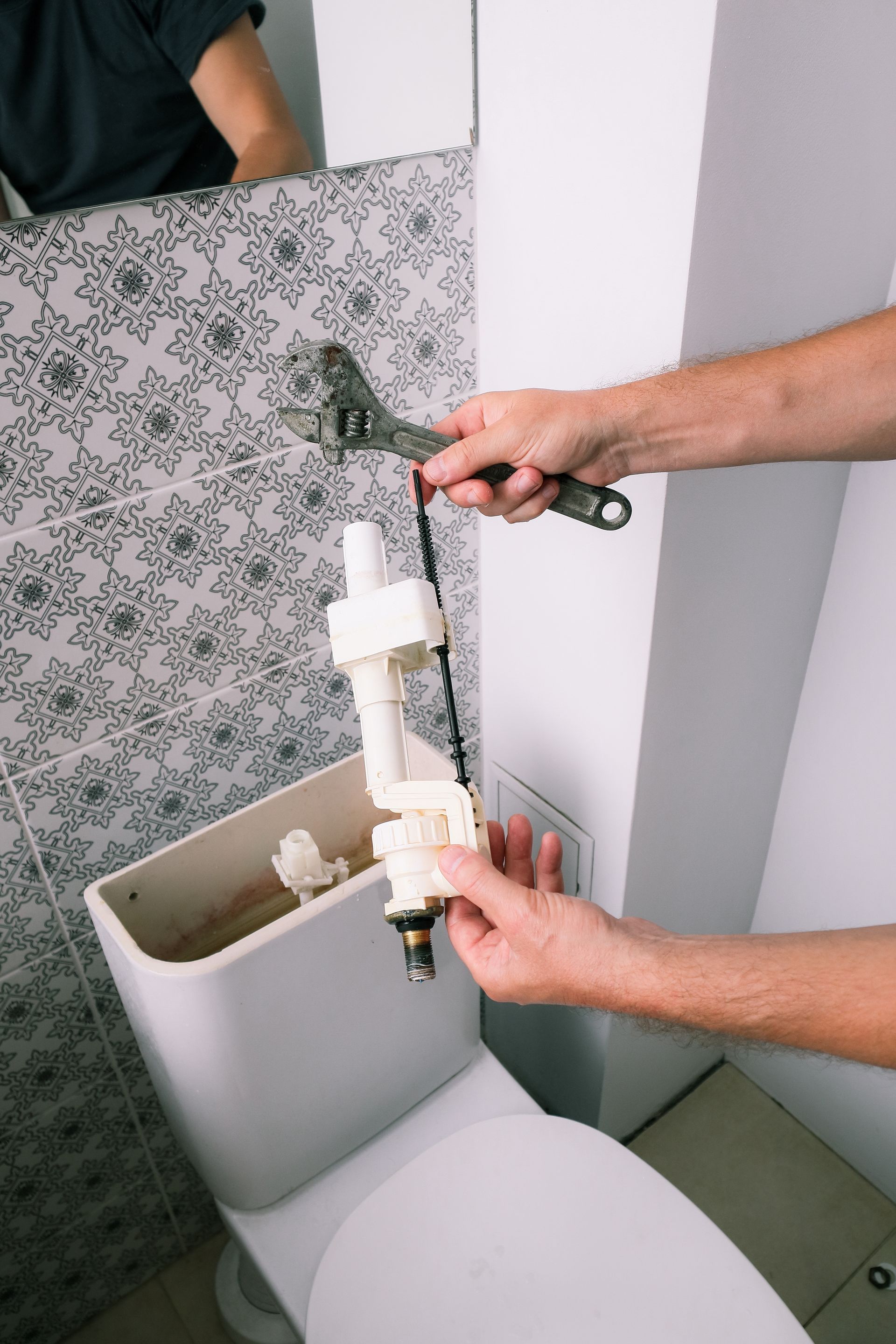
Repairs address specific failure points—replacing flappers that allow water to leak continuously from the tank into the bowl, installing new fill valves when the refill cycle does not shut off properly, tightening or replacing wax rings when water seeps from beneath the base after flushing, and clearing clogs that restrict flow through the trapway. Replacement involves removing the old fixture, inspecting the flange for cracks or corrosion, installing a new wax ring or modern foam gasket, and setting the new toilet with proper alignment and secure mounting.
Request an evaluation to determine whether repair or replacement provides the most effective solution for your toilet problems in Hot Springs, Malvern, Little Rock, and surrounding areas.
Why Toilet Problems Develop and What Fixes Them
Running toilets waste significant water when the flapper does not seal against the flush valve seat, allowing tank water to flow constantly into the bowl and triggering the fill valve to run intermittently. Mineral deposits build up on flapper surfaces and valve seats over time, preventing a watertight seal even when the flapper appears intact. Fill valves wear out and fail to shut off completely, causing water to overflow into the overflow tube and producing a continuous running sound long after the flush cycle should complete.
After repairs or replacement, toilets flush completely on the first attempt without requiring multiple flushes to clear waste, the tank refills to the correct water level and stops without continuing to run, and no water pools around the base or drips from supply connections. Water usage decreases noticeably on utility bills when leaking fixtures are repaired or replaced with efficient models, as a running toilet can waste hundreds of gallons daily.
Replacement becomes more practical than repeated repairs when the toilet's trapway design produces chronic clogging, when the porcelain develops cracks that cannot be sealed reliably, or when the fixture's age and water consumption justify upgrading to a model with better flushing performance and lower water use. Modern toilets use engineered trapway geometries and larger flush valves that move waste more effectively than older designs, reducing the likelihood of clogs and weak flushing.
What Homeowners Want to Know About Toilet Service
Toilet repairs and replacements involve straightforward plumbing work, but understanding what causes common problems and when replacement makes sense helps property owners make informed decisions. These questions address the most frequent concerns.
What causes toilets to leak at the base?
Leaks at the base occur when the wax ring seal between the toilet horn and the closet flange deteriorates, hardens, or compresses unevenly, allowing water to escape during flushing. Loose mounting bolts, flange damage, or improper installation can also create gaps that break the seal and let water seep onto the floor.
How do you know when a toilet needs replacement instead of repair?
Replacement makes sense when repairs become frequent, when cracks appear in the porcelain, when the toilet's flushing performance cannot be improved despite clearing clogs and replacing internal components, or when upgrading to a water-efficient model will reduce consumption enough to offset the replacement cost over time.
Why must RPZ devices be installed above ground?
Above-ground installation prevents the device from being submerged during flooding, which would create a direct contamination pathway through the relief valve. Elevation also allows the relief valve to discharge freely during testing and actual backflow events without creating drainage problems or hidden leaks beneath grade.
What makes a fill valve fail?
Fill valves fail when mineral deposits accumulate on the diaphragm or seal surfaces, when internal components wear from repeated cycling, or when debris in the water supply lodges in the valve mechanism and prevents it from closing completely. Hard water accelerates wear by building up calcium deposits that interfere with moving parts.
How much water does a running toilet waste?
A toilet with a worn flapper that allows water to leak continuously into the bowl can waste two hundred gallons or more per day, depending on the size of the leak. Even a small leak that produces only a faint running sound wastes thirty gallons daily, which compounds into significant water costs over billing cycles.
Anchor Plumbing provides toilet repair and replacement for residential and commercial properties experiencing leaks, clogs, and inefficient fixtures. Set up a service appointment to address toilet malfunctions and discuss replacement options that improve performance and reduce water waste.