
Backups and Drainage That Stops Working
Septic System Repair in Hot Springs for wastewater backups, drain field failures, and recurring drainage problems
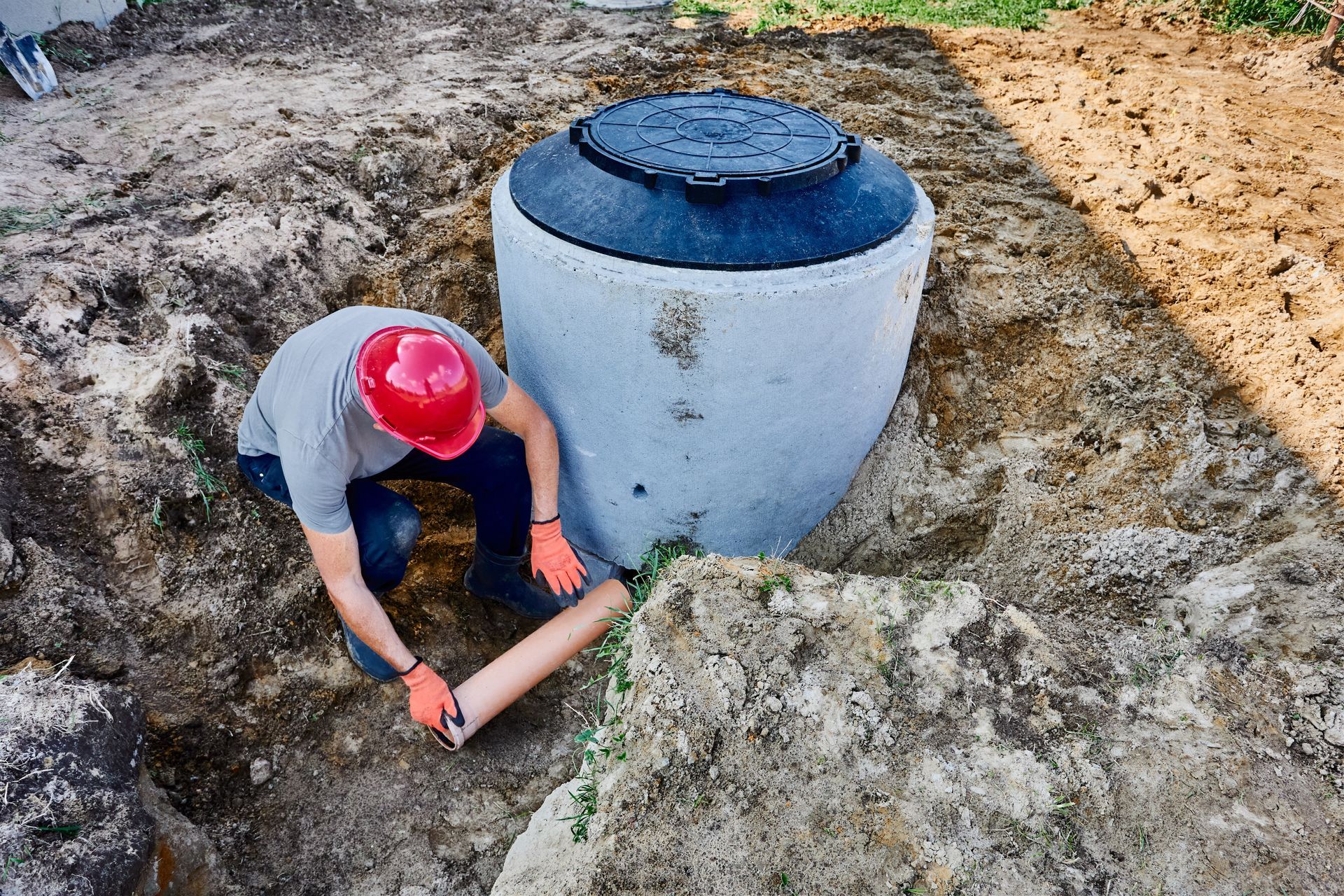
Anchor Plumbing addresses septic system failures that produce slow drains, standing water in the yard, and foul odors near the tank or drain field. When wastewater stops moving through the system properly, the backup affects plumbing fixtures inside the building and creates pooling around the septic components outside. Repairs target damaged tanks, clogged drain fields, and failing plumbing connections that prevent the system from processing wastewater correctly.
Septic repairs involve diagnosing where the failure occurs—whether in the tank itself, the distribution lines leading to the drain field, or the soil absorption system. A tank may crack and leak untreated wastewater, while a drain field can become saturated or compacted and stop absorbing effluent. Plumbing connections between the building and the tank sometimes separate or collapse, blocking flow before wastewater reaches the treatment system.
Schedule a system evaluation to identify the failure point and determine what components require repair or replacement in Hot Springs, Benton, Malvern, and surrounding areas.
What Happens When Septic Components Fail
Septic repairs begin with uncovering access points to inspect the tank interior, measure sludge and scum layers, and check for structural damage like cracks or deteriorated baffles. If the drain field shows signs of saturation, soil conditions around the distribution lines are assessed to determine whether the absorption capacity has been compromised by compaction, root intrusion, or biomat buildup that blocks water movement into the surrounding soil.
Once repairs are completed, drains inside the building empty at normal speed again, odors dissipate from the yard, and standing water around the tank or drain field drains away. Anchor Plumbing restores the flow path so wastewater moves from the building into the tank, separates into layers, and distributes into the drain field where soil bacteria break down remaining contaminants. The system returns to processing waste without backing up into fixtures or surfacing in the yard.
Repairs do not always require full system replacement—many failures respond to component-level fixes like replacing damaged baffles, repairing distribution boxes, or clearing clogged effluent filters. However, a saturated drain field with failed soil absorption may require installing a new absorption area if the existing field cannot be rehabilitated. Septic repairs also include addressing any plumbing defects between the building and tank that allowed solids to pass through improperly or restricted flow enough to cause backups.
What to Know Before Septic Repairs Begin
Septic system problems often appear suddenly but develop over time as sludge accumulates, soil compacts, or components deteriorate. Understanding what caused the failure helps property owners recognize when repairs are complete and what maintenance prevents recurrence.
What causes septic drain fields to fail?
Drain fields fail when the soil's ability to absorb wastewater is lost, often due to biomat buildup from insufficient tank pumping, soil compaction from heavy vehicle traffic over the field, or root intrusion that clogs distribution lines. Effluent backs up into the tank and eventually into the building's plumbing when the field cannot accept more water.
How do repairs address recurring backups?
Repairs target the specific obstruction or failure point—clearing blocked distribution lines, replacing broken pipes between the building and tank, or repairing cracks that allow groundwater to flood the tank and reduce its effective capacity. Backups stop once wastewater flows through the system without restriction.
What warning signs indicate immediate repair needs?
Sewage odors near the tank or inside the building, toilets that drain slowly across multiple fixtures simultaneously, gurgling sounds from drains when water runs elsewhere, and wet spots or lush grass growth over the drain field all signal that the system is not processing waste correctly and requires evaluation before complete failure occurs.
When should septic tanks be pumped during repairs?
Tanks are pumped before repairs begin so the interior can be inspected for cracks, baffle damage, and structural integrity without obstruction from accumulated sludge. Pumping also removes solids that may have contributed to drain field clogging by passing through a damaged outlet baffle.
What factors affect septic system repair costs?
Costs vary based on whether the tank, drain field, or connecting pipes require work, the depth of buried components, soil conditions that affect excavation difficulty, and whether the repair involves patching a crack or replacing entire sections of the absorption system. Accessibility and the extent of damage determine the scope of work required.
Anchor Plumbing provides septic system repairs for residential and commercial properties experiencing drainage failures and wastewater backups. Request an inspection to assess system condition and determine what repairs restore proper septic performance.