
Build Reliable Wastewater Systems for Rural Properties
Septic System Installation in Hot Springs for new construction, property expansions, and rural developments
Properties beyond municipal sewer service boundaries depend on septic systems to treat and dispose of wastewater through underground tank storage and drain field filtration. Installing a septic system from scratch involves site evaluation, system sizing based on occupancy and soil conditions, and coordination between excavation, tank placement, and drain field layout to create a wastewater solution that functions reliably for decades. Anchor Plumbing completes septic system installation for residential homes, commercial buildings, and new construction projects across Central Arkansas where soil percolation rates and setback requirements determine drain field design.
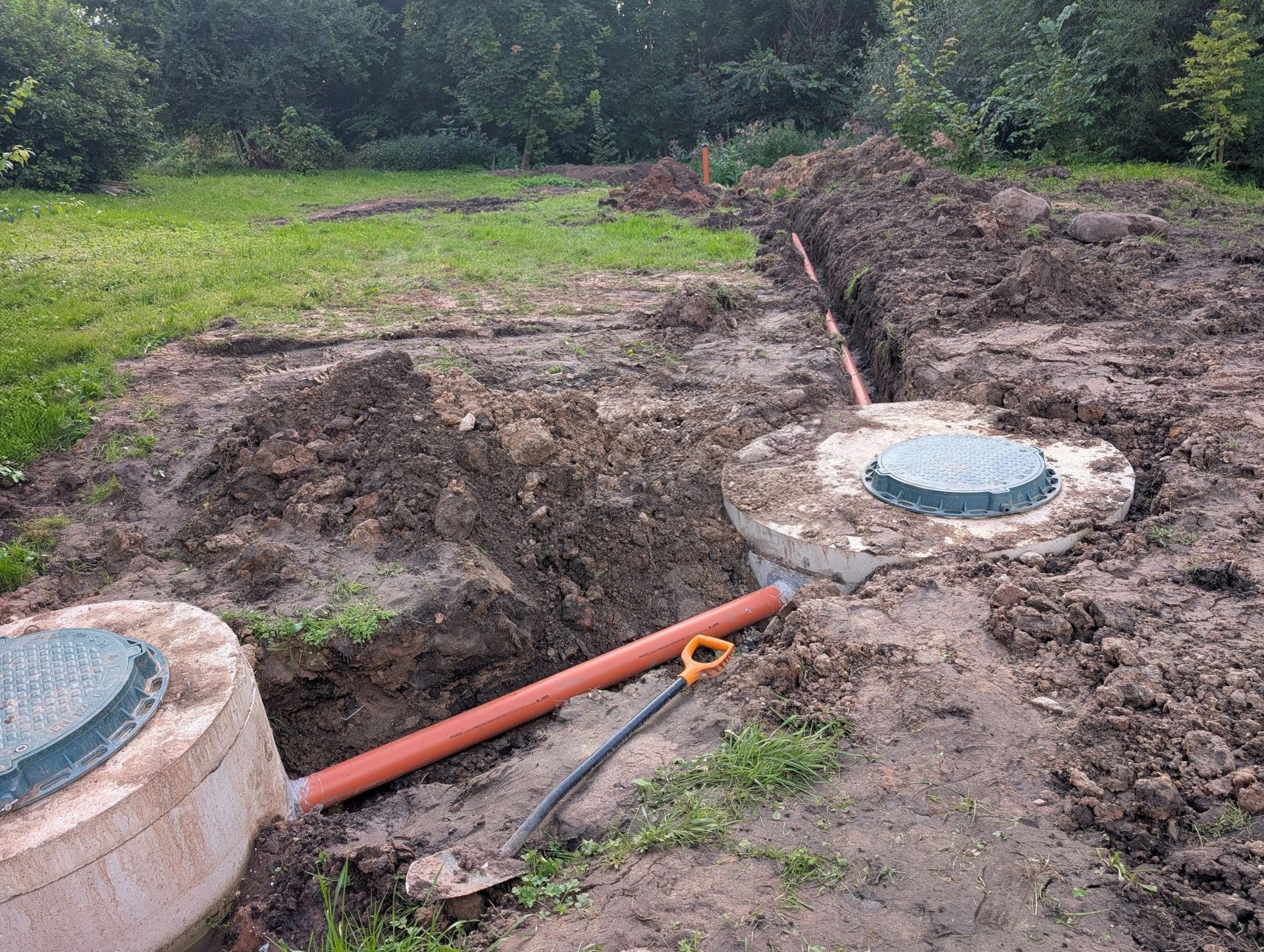
Installation establishes the complete wastewater management infrastructure including the septic tank, distribution box, drain field piping, and all connections to the building's plumbing system. The process requires permits, soil testing, and inspections at multiple stages before final approval.
Contact us to request septic system installation estimates and discuss site evaluation for your property in Hot Springs, Hot Springs Village, Little Rock, and surrounding areas.
Why Septic Planning Determines System Longevity
Septic system design depends entirely on soil percolation testing that measures how quickly water drains through the native soil, since drain fields must allow treated wastewater to filter through soil layers without surfacing or saturating the absorption area. Clay-heavy soils common in parts of Central Arkansas require larger drain fields or alternative system designs compared to sandy soils that drain rapidly, and setback distances from wells, property lines, and water features dictate where components can be located.
After installation completes, wastewater drains normally from all fixtures without backups, the yard above the drain field remains dry without odors or soggy spots, and the system handles daily wastewater volume without requiring frequent pumping. Properly installed systems operate for twenty to thirty years before drain field replacement becomes necessary, assuming regular tank maintenance occurs.
Installation includes excavating to the specified depth for tank burial, placing the tank level to prevent uneven settling, installing distribution boxes that evenly divide flow across drain field lines, and laying perforated pipe in gravel-filled trenches at precise slope grades. All components receive inspection before backfilling, and final grade directs surface water away from the absorption area to prevent saturation.
Questions About Septic System Installation
Septic installation represents a significant investment for rural property owners, and understanding system requirements helps with planning and long-term maintenance expectations.
What determines septic system size for my property?
Bedroom count rather than actual occupancy establishes minimum tank size and drain field area, since building codes assume maximum potential wastewater volume based on the number of bedrooms regardless of current household size.
How does soil type affect septic system design in Hot Springs?
Percolation testing measures how many minutes water takes to drop one inch in a test hole, and slower percolation rates require larger drain field areas or engineered systems with sand mounds to provide adequate filtration before wastewater reaches groundwater.
What setback requirements apply to septic installations?
Septic tanks must sit at least ten feet from the building foundation, drain fields require fifty to one hundred feet of clearance from wells depending on local codes, and property line setbacks typically range from five to ten feet for tanks and drain fields.
How long does complete septic installation take?
Most residential installations span three to five days including excavation, tank and drain field installation, plumbing connections, backfilling, and grading, though weather delays and inspection scheduling extend timelines during wet periods.
What maintenance does a new septic system require?
Tank pumping every three to five years removes accumulated solids before they enter the drain field, and avoiding excessive water use or flushing non-biodegradable materials protects the system from premature failure.
Anchor Plumbing provides septic system installation throughout Hot Springs and neighboring communities with site-specific design that accounts for soil conditions and regulatory requirements. Schedule a property evaluation to determine system sizing and placement options for your wastewater management needs.