
Infrastructure Installed for Decades of Function
Construction Plumbing in Hot Springs for new builds, remodels, additions, and commercial renovations
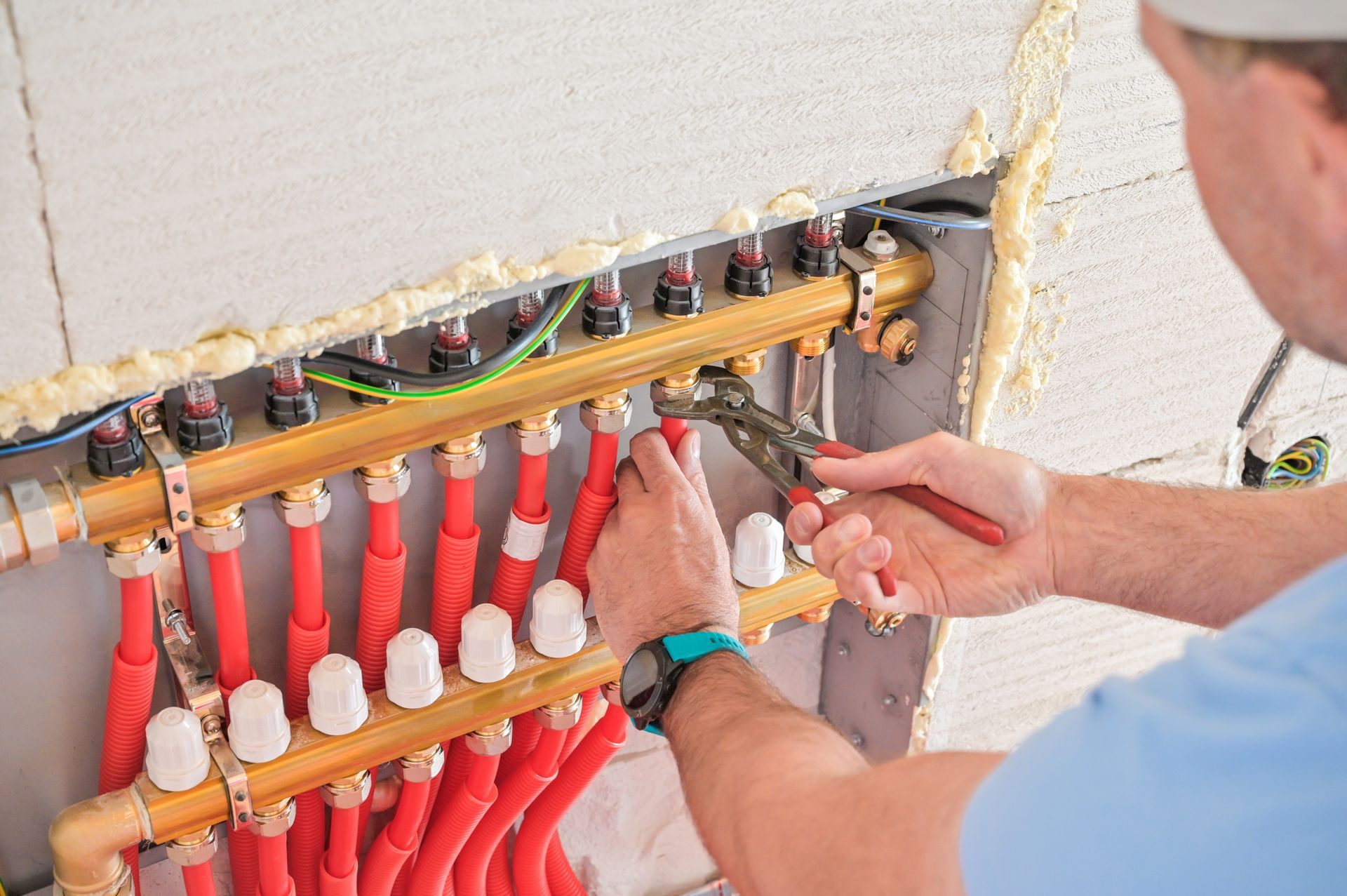
Construction plumbing installation determines whether a building's water supply, drainage, and gas systems function reliably for decades or require constant repairs from the day occupancy begins. Anchor Plumbing provides construction plumbing for residential remodels, commercial renovations, room additions, and ground-up construction projects throughout Hot Springs, coordinating with contractors and builders to install water lines, sewer systems, gas lines, fixtures, and complete plumbing infrastructure on schedule. Proper installation means drain lines maintain correct slope over their entire run, supply lines withstand operating pressure without leaks, and fixture rough-ins align with finish dimensions so installation proceeds without modifications.
Construction plumbing involves installing complete systems from underground sewer connections to final fixture trim, requiring coordination across multiple construction phases. Rough-in work positions supply stubs, drain penetrations, and vent stacks before walls close, following code requirements for pipe sizing, venting configurations, and fixture spacing. Gas line installation for ranges, water heaters, and furnaces requires pressure testing to verify leak-free connections before equipment hookup. Each installation phase must align with framing, concrete work, and finish schedules so plumbing progresses without delaying other trades or requiring rework when dimensions don't match plans.
Request construction plumbing service to coordinate installation timelines, verify code compliance, and ensure proper system design before rough-in begins in Hot Springs, Hot Springs Village, Bryant, and surrounding areas.
What Changes After Construction Plumbing Completes
Construction plumbing done correctly produces systems where every fixture delivers proper flow and drainage, supply lines maintain consistent pressure throughout the building, and components remain accessible for future service without demolishing finish materials. Installations follow current plumbing codes for vent sizing that prevents drain traps from siphoning, expansion loops that accommodate thermal movement in supply lines, and shut-off valves positioned where they can be reached without cutting drywall. The difference between adequate and professional construction plumbing becomes apparent years later when systems either function maintenance-free or develop chronic problems requiring repeated repairs.
After construction plumbing installation finishes, water flows to fixtures without hammering when valves close, drains empty quietly without gurgling or slow drainage, and gas appliances operate at correct pressures for efficient combustion. Anchor Plumbing ensures rough-in measurements match architectural plans so finish trim installs without adapter fittings, cleanouts are positioned for drain access without excavation, and supply routing avoids areas where future remodeling would require replumbing.
Construction plumbing also includes decisions about material selection, whether copper, PEX, or CPVC supply lines best suit the application, and what fixture grades provide durability appropriate to the building's use. These choices affect long-term maintenance costs, replacement part availability, and how well the system withstands daily demand over its service life.
Answers to Frequent Construction Plumbing Questions
Builders and property owners throughout central Arkansas typically ask similar questions when planning construction plumbing installations.
What happens during the rough-in phase of construction plumbing?
Rough-in involves installing all supply lines, drain pipes, and vent stacks within walls and under floors before surfaces close, positioning stub-outs at precise locations where fixtures will mount, and pressure-testing systems to verify leak-free connections.
How do you coordinate plumbing installation with other construction trades?
Plumbing rough-in follows framing and precedes insulation, requiring coordination so pipe penetrations don't compromise structural members, drain slopes aren't obstructed by ductwork, and supply lines don't interfere with electrical conduit routing.
When should plumbing plans be reviewed to avoid construction delays?
Plan review before foundation work begins identifies conflicts between plumbing layouts and structural elements, verifies fixture selections are available, and confirms rough-in dimensions match finish specifications so installations proceed without change orders.
What code requirements affect construction plumbing in Hot Springs?
Arkansas plumbing codes specify minimum pipe sizing for fixture supply, mandatory venting configurations to prevent trap siphoning, and required clearances around fixtures for accessibility and maintenance access.
Why does proper drain slope matter for long-term system performance?
Drains installed at incorrect slopes either move waste too slowly, allowing solids to accumulate and cause blockages, or too quickly, leaving solids behind while liquids rush past, both conditions producing chronic drainage problems requiring frequent clearing.
Anchor Plumbing works with contractors, builders, and project managers to deliver construction plumbing installations that meet code requirements, stay on schedule, and provide reliable performance for the building's service life. Schedule construction plumbing consultation to review project plans and coordinate installation timelines with your construction phases.