
Finding Problems Before Systems Fail
Septic System Inspections in Hot Springs for real estate transactions, maintenance planning, and performance evaluations
Septic systems develop hidden problems that do not immediately produce backups or odors but reduce treatment capacity and shorten the system's functional life. Anchor Plumbing performs inspections that evaluate tank condition, drain field absorption capacity, and plumbing connections to identify issues before they escalate into costly failures. Inspections serve buyers verifying system condition before purchasing property, sellers preparing for transactions, and homeowners scheduling preventive maintenance based on actual system needs rather than assumptions.
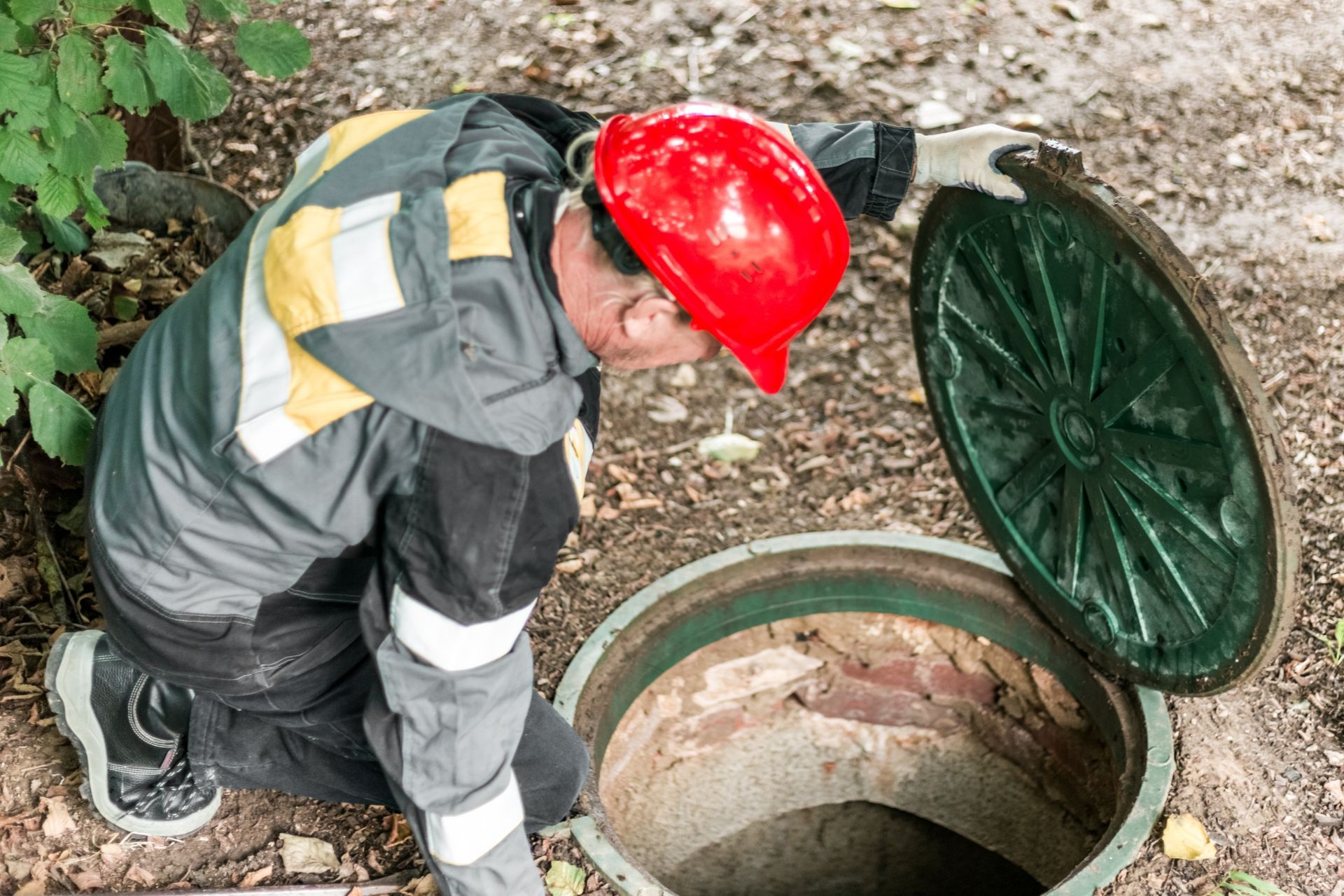
The inspection process involves locating and uncovering access points to measure sludge and scum layers inside the tank, checking baffles and outlet filters for damage or blockage, and observing whether the drain field shows signs of saturation or hydraulic failure. Inspectors also review the distance between the tank and building, verify proper slope in the inlet pipe, and assess whether the drain field location meets setback requirements from wells, property lines, and water features.
Arrange an evaluation to document current septic system condition and identify any maintenance or repair needs in Hot Springs, Hot Springs Village, Little Rock, and surrounding areas.
What Septic Inspections Actually Reveal
Inspections measure the depth of solids accumulation inside the tank—sludge settles at the bottom while scum floats at the top, and the clear zone between them must remain large enough to allow wastewater to separate properly before effluent flows to the drain field. When solids occupy more than one-third of the tank's volume, pumping becomes necessary to prevent solids from passing into the drain field and clogging distribution lines. Baffles at the inlet and outlet are checked for deterioration, as missing or damaged baffles allow solids to exit the tank prematurely.
After the inspection, property owners receive documentation of tank size, estimated age, solids levels, and the condition of visible components including lids, risers, and access ports. Reports note whether the drain field shows surface indicators of failure such as soggy soil, odors, or unusually green vegetation that signals effluent is surfacing rather than absorbing into the surrounding soil.
Inspections do not involve excavating the entire drain field or exposing buried distribution lines unless specific symptoms suggest subsurface failure. The evaluation focuses on observable conditions and measurements that indicate whether the system is functioning within normal parameters or showing signs of declining performance that warrant closer investigation or preemptive repairs.
Questions Property Owners Ask About Inspections
Septic inspections provide information that helps property owners make decisions about maintenance timing, repair priorities, and system reliability. The following questions address what inspections cover and what the findings indicate.
What does a septic inspection include?
Inspections include locating the tank and drain field, uncovering access lids, measuring solids levels inside the tank, checking baffles and outlet filters, testing for leaks, and observing the drain field for signs of saturation or hydraulic overload. The process documents system configuration and identifies components that require maintenance or repair.
How often should septic systems be inspected?
Most systems benefit from inspection every three to five years, depending on household size, water usage, and tank capacity. Properties in the Hot Springs area with older systems or those experiencing increased occupancy should inspect more frequently to catch problems before they produce backups or drain field saturation.
Why do real estate transactions require septic inspections?
Buyers need confirmation that the septic system functions properly and does not have hidden defects that will require immediate repair after closing. Inspections reveal whether the tank needs pumping, if components are damaged, and whether the drain field shows signs of failure that could demand expensive replacement shortly after purchase.
What happens if the inspection finds problems?
Findings are documented in a written report that describes the issue, its severity, and recommended corrective actions. Minor problems like a full tank or clogged effluent filter are addressed quickly, while structural damage or drain field saturation may require more extensive repairs that affect transaction negotiations or maintenance budgets.
When is the best time to schedule an inspection?
Inspections are most informative when the system is under normal use, as this reflects actual operating conditions. Avoid scheduling immediately after the tank has been pumped, as this removes the solids accumulation data that indicates how frequently pumping should occur based on household usage patterns.
Anchor Plumbing delivers thorough septic system inspections for residential and commercial properties requiring documentation of system condition and performance. Contact us to schedule an inspection and receive a detailed evaluation of your wastewater system components.