
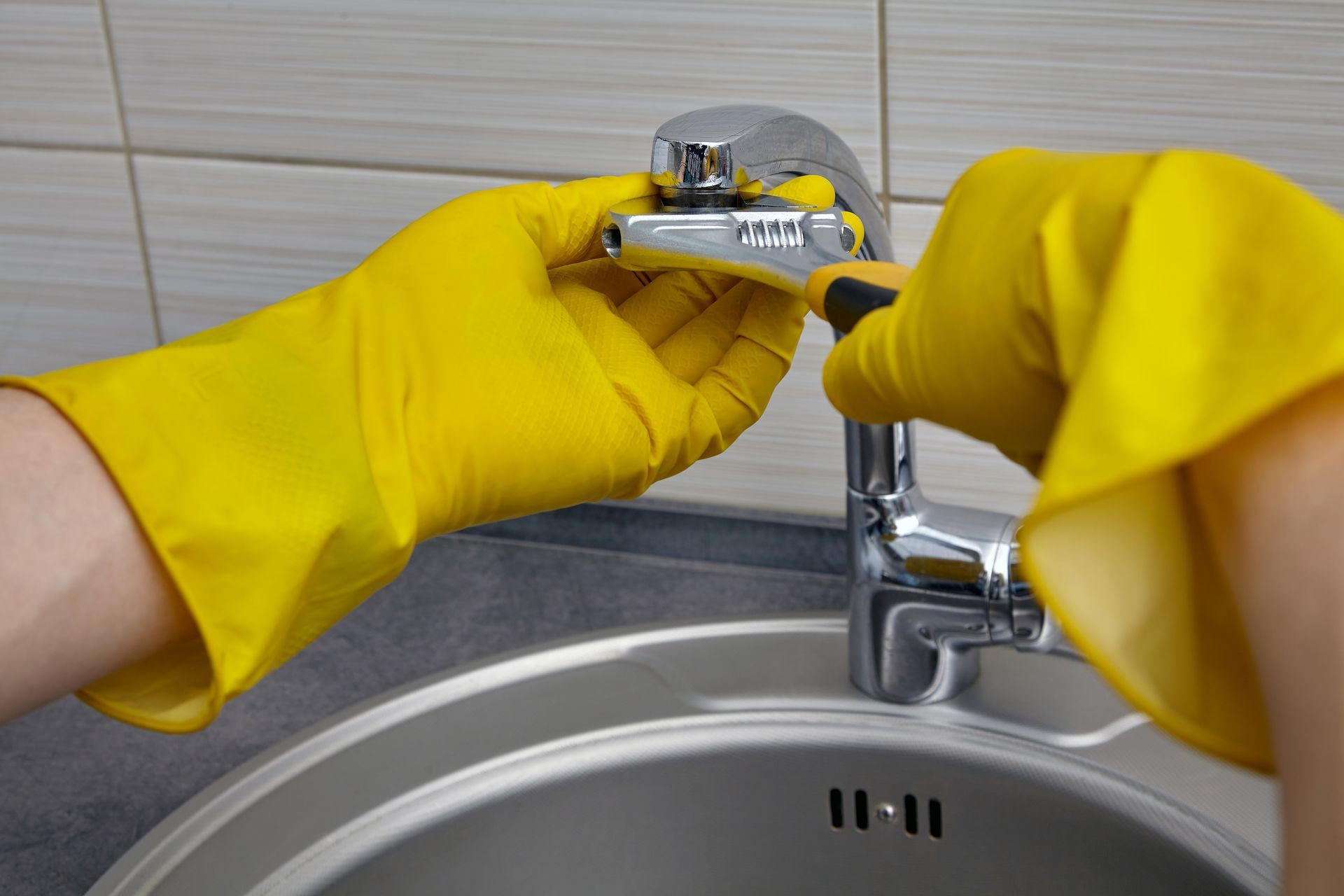
Dripping Fixtures and Handles That Stick
Faucet Repair & Replacement in Hot Springs for persistent leaks, low water pressure, and worn-out kitchen and bathroom fixtures
Hard water minerals accumulate inside faucet aerators and cartridges, restricting water flow and causing the stream to spray unevenly or produce weak pressure that makes routine tasks take longer. Dripping faucets waste water continuously when washers, O-rings, or ceramic disc cartridges wear out and no longer seal against water pressure after the handle is turned off. Anchor Plumbing repairs leaking faucets by replacing internal seals and cartridges, and installs new fixtures when corrosion, finish deterioration, or outdated designs make replacement the more practical solution for kitchens, bathrooms, laundry rooms, and commercial facilities.
Faucet repairs involve disassembling the handle and valve body to access worn components—compression faucets require new seat washers and O-rings, while cartridge and ceramic disc models need replacement cartridges that match the manufacturer's specifications. Leaks from the base of the spout indicate O-ring failure, while drips from the spout itself point to valve seat wear or cartridge damage. Low pressure isolated to one fixture suggests aerator clogging or internal buildup rather than a supply line problem affecting multiple outlets.
Arrange a fixture evaluation to diagnose leaks and pressure problems and determine whether repair or replacement provides better long-term performance in Hot Springs, Malvern, Bryant, and surrounding areas.
What Faucet Repairs Actually Involve
Repairs begin with shutting off water supply valves beneath the fixture, then removing handles and trim to expose the cartridge or valve assembly. Cartridges are extracted using specialized tools, and new units are installed with lubricant on O-rings to prevent binding and ensure watertight seals when reassembled. Aerators are cleaned or replaced to restore full flow, and supply line connections are inspected for corrosion or damage that could cause leaks at the threads or compression fittings.
After repairs, faucets shut off completely without dripping, handles turn smoothly without excessive force or grinding resistance, and water flows at full pressure with an even stream pattern. Leaks at the base stop entirely, and no moisture accumulates beneath the sink from dripping supply connections or valve body seals.
Replacement becomes the better option when the faucet body corrodes internally, when replacement parts are no longer available for discontinued models, or when the existing finish has deteriorated beyond acceptable appearance for a remodel or upgrade. New faucets install with flexible supply lines that simplify connection, and modern cartridge designs provide reliable shutoff with fewer internal parts that can wear out over time compared to older compression valve mechanisms.
Frequent Questions About Faucet Service
Faucet problems range from minor annoyances to significant water waste, and understanding what causes failures helps property owners recognize when professional service is necessary. These questions cover the most common scenarios.
What causes faucets to drip after being turned off?
Dripping occurs when the internal seal—whether a rubber washer, O-ring, or ceramic disc cartridge—no longer creates a watertight barrier against supply pressure. Mineral deposits, wear from repeated use, and sediment buildup degrade sealing surfaces over time, allowing water to pass through even when the valve is closed.
How does low pressure develop in a single faucet?
Low pressure isolated to one fixture typically results from a clogged aerator where mineral deposits restrict flow through the screen, or from debris lodged in the cartridge that partially blocks water passages. If all fixtures in Hot Springs experience low pressure simultaneously, the problem lies in the supply line or pressure regulator rather than the faucet itself.
Why do faucet handles become difficult to turn?
Handles stick when mineral deposits accumulate around the cartridge stem, when internal O-rings dry out and create excessive friction, or when corrosion develops between metal components that should move smoothly. Cartridge replacement and lubrication restore normal operation without requiring full fixture replacement.
What maintenance extends faucet lifespan?
Cleaning aerators quarterly prevents mineral buildup that restricts flow, and periodically exercising shutoff valves beneath the fixture prevents them from seizing. Addressing small leaks promptly prevents water damage to surrounding cabinets and countertops, and replacing cartridges at the first sign of dripping prevents valve seat erosion that makes future repairs more difficult.
When should faucets be replaced during remodels?
Remodels provide the ideal opportunity to upgrade faucets before existing fixtures fail, particularly when changing countertops or sinks that require disconnecting plumbing lines anyway. Replacing outdated fixtures during planned work avoids future disruption and ensures new faucets match updated finishes and layout configurations.
Anchor Plumbing delivers faucet repair and replacement services for residential homes, commercial buildings, and remodel projects requiring reliable plumbing fixtures. Call to schedule service and address leaking, low-pressure, or outdated faucets in kitchens, bathrooms, and utility areas.